Introduction
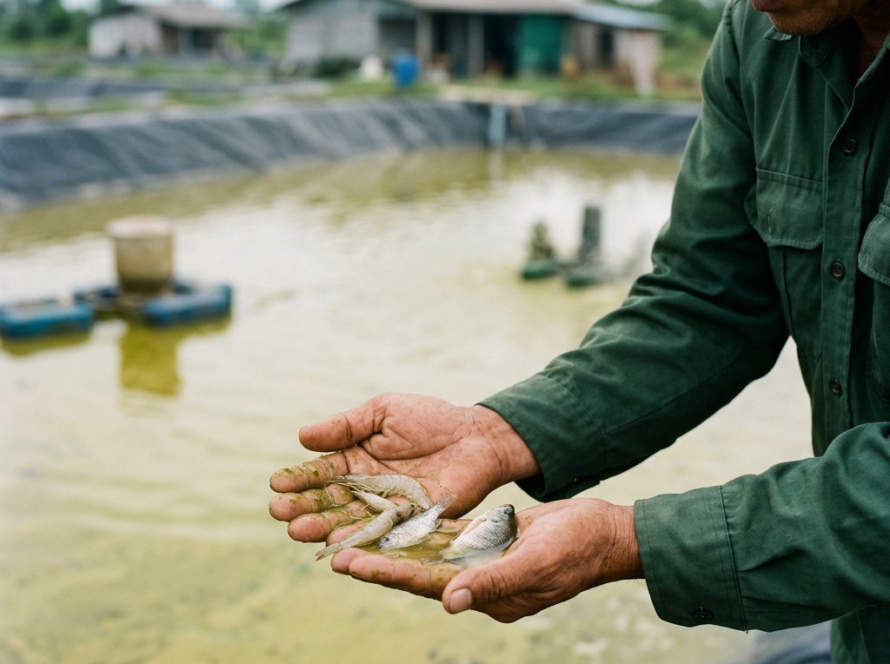
Did you know that not just overfishing or climate changes are silently threatening the future of fish farming, it includes antibiotic resistance too.
The very antibiotics that our farmers rely on to keep their fish healthy are becoming useless because bacteria are evolving resistance to them at an alarming rate. Studies show that about 70–80% of antibiotics used in aquaculture aren’t even absorbed by fish and later they end up contaminating water, sediment, and ultimately reach to us. So yes, this isn’t just a fish problem anymore, it’s a human health crisis that is waiting to explode anytime.
And this is exactly why the shift toward low-antibiotic aquaculture isn’t optional anymore, it’s a must.
The Antibiotic Misuse Problem
Sometimes farmers dump antibiotics into ponds or mix them with feed, often without proper diagnosis or dosage limits in order to treat the diseased fishes. Research reveals that in many regions, especially across Asia where two-thirds of global aquaculture happens, the antibiotic resistance levels are concerningly high.
The microbes are becoming resistant and they don’t stay in fish ponds — they spread through water systems, contaminate seafood, and transfer resistance genes to human pathogens through horizontal gene transfer.
Global Regulations Are Getting Stricter
Something you must know is that the European Union banned prophylactic antibiotic use in aquaculture back in 2003, and many countries are following suit. This clearly means that the farmers worldwide need alternatives and that too, fast.
Promising Alternatives to Antibiotics
1. Probiotics
Probiotics are leading the stage. The beneficial bacteria like Bacillus, Lactobacillus, and Vibrio species colonize fish guts, compete with the pathogens, boost the immune responses, and improve digestion.
Real-world data from Ecuadoran shrimp hatcheries showed that probiotic use reduced the antibiotic consumption by 94% between 1991 and 1994 while increasing production by 35%. That’s clearly not a typo, those are actual results.
2. Immunostimulants
Our next game changer are Immunostimulants. Compounds like beta-glucans, chitosan, and medicinal plant extracts help to activate the fish immune systems naturally by making them more resistant to infections without antibiotics.
3. Phage Therapy
Phage therapy is next in picture. These are viruses that specifically target bacterial pathogens could be used as an alternative. Unlike the broad-spectrum antibiotics that kill indiscriminately, bacteriophages only attack specific harmful bacteria, leaving beneficial microbes untouched.
4. Improved Biosecurity
Improved biosecurity also demands some serious attention because better water quality management, proper stocking densities, vaccination programs, and worker training in disease prevention can magnificently reduce infection rates before antibiotics are even considered.
What Farmers Need to Do
1. Use Antibiotics Only When Necessary
Firstly, stop treating antibiotics as the only or a default solution. It should be only used when absolutely necessary, with proper veterinary diagnosis and dosing.
2. Focus on Prevention
Secondly, invest in prevention over treatment. Maintain optimal water quality, reduce stocking densities wherever possible, implement biosecurity protocols, and consider vaccination programs for major pathogens.
3. Explore Probiotics and Immunostimulants
Thirdly, explore probiotics and immunostimulants. Start small, test what works for your specific system and species, and scale up gradually. Many commercial probiotic formulations are already available and field-tested.
4. Prioritize Education
Lastly, educate yourself and your workers. Understand the disease signs, water quality parameters, and stress indicators to help to detect early before the infections explode.