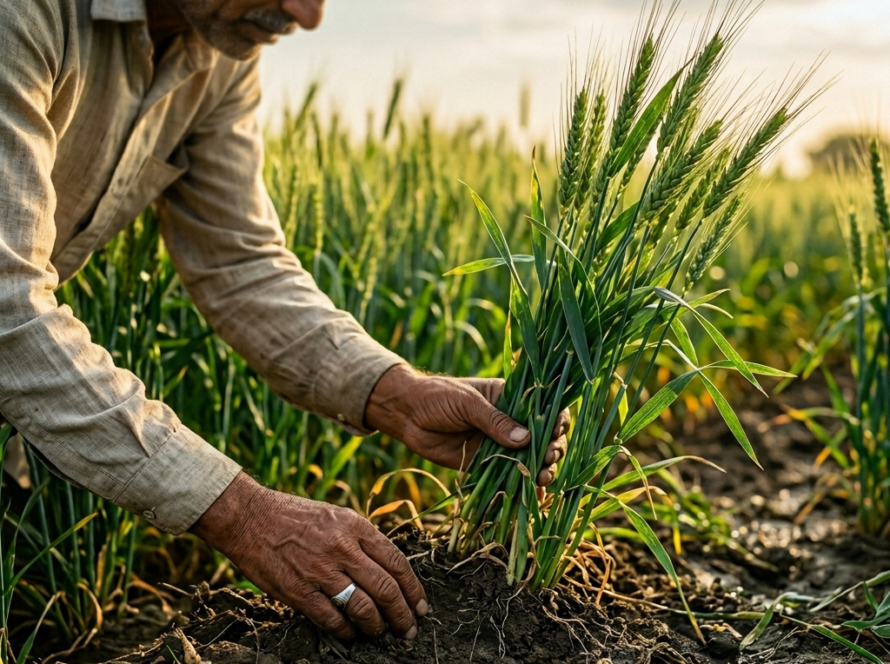
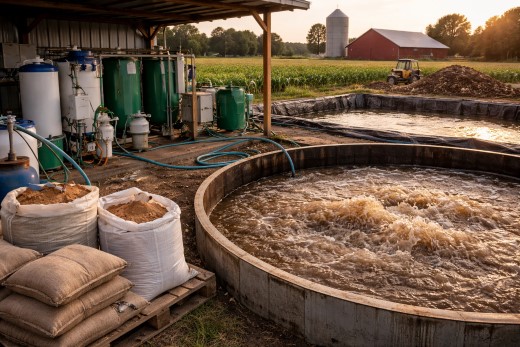
As the livestock sector progresses further into 2026, it is changing in basic ways in terms of priorities. The longstanding focus on maximization has gradually been replaced by a new standard that is clean label production. Current consumers demand animal products to offer quality and safety, but in a way that has low environmental effects, is non-chemically invasive, and so on.
As a natural response, a new era is beginning in feed science, with a focus on cleaner, more transparent feed stuffs, due in part to the understanding that the most direct route towards providing cleaner, more dependable products at the consumer level is by first looking at cleaner, more dependable feed stuffs.
For a number of decades, low-dose antibiotics have been used in cattle feed to accelerate weight gain and growth. By 2026, this has largely fallen by the wayside, with phytogenics and postbiology taking over as a new form of biological growth promoters.
According to the evidence summarized in the Open Research Library (2024), the trend in the industry is shifting from synthetic growth enhancers to probiotics, which have similarly been reinforced with nanotechnology. These are modern biological inputs used in the enhancement of the health and nutritional status of animals such that positive nutritional profiles are achieved naturally, and there are no risks of antimicrobial resistance (AMR).
Algae: The Superfood
Among the new range of clean-label products being introduced in the market as alternative sources of nutrition in animal feeds, microalgae such as Spirulina and Chlorella hold significant promise. Unlike the resource-intensive soybean meals often used in conventional animal nutrition, microalgae provide a much more environmentally friendly option.
Microalgae are remarkably rich in nutrients, with protein levels reaching up to 70% of dry matter, along with significant concentrations of omega-3 fatty acids and bioactive compounds.
While conventional feed crops cannot be grown on non-arable lands, algae can grow in such areas, including saline water or nutrient-rich wastewater. They capture CO2 actively during growth, making their production process inherently climate-positive.
Findings reported on ResearchGate (2025) have shown that the inclusion of algae-based ingredients in poultry and cattle feed improves immune response and overall animal health. Most importantly, this benefit trickles down to the consumer through meat and eggs whose nutritional values are improved with supplementation, thereby rendering them functional foods.
Addressing Methane Emissions:
The “cleaner output” can cover just its final product but can also include its production-related emissions. The methane resulting from enteric fermentation is one of its major contributors.
A new wave of targeted feed additives is advancing in research, which is now shifting into practice. The findings presented by the World Resources Institute (2025) and in MDPI Animals identified several potential interventions, such as:
- 3-NOP (Bovaer®): This synthetic product, with a known dose response, works by arresting key microbiological reactions. Trials have confirmed a 30% reduction in methane output, with zero adverse effects on animal growth or product quality.
- Red Seaweed (Asparagopsis): In contrast, as a natural alternative, it has shown strong methane mitigation potential, particularly in feedlot trials, where it can decrease emissions by as much as 80 to 90 percent, making it one of the most promising biochoices today.
Precision Nutrition Powered by AI:
Livestock feeding strategies will shift to highly personalized strategies by 2026. In fact, research published on the cover page of The Journal of Animal Feed Formulation (MDPI), 2024, highlights that machine learning models are starting to be used to develop animal rations that are best for their real-life requirements.
By dynamically adjusting the supply of nutrients, these systems minimize the extent of oversupply. This type of precision farming reduces “nutrient leakage” i.e the loss of extra nitrogen and phosphate, resulting in much less excreted in the environment and thereby poisoning nearby water resources by as much as 20%.
Transparency as a Competitive Advantage:
For today’s producers, clean feed practices have evolved from being an important production choice to becoming one that can serve to set businesses apart from others. This is because when feed is known, transparent, and biologically focused, not only will the end product, such as meat and dairy, gain more credibility, but today’s consumers, with an interest in health and environmental sustainability, will seek premium pricing for that end product when dictated by feed data.