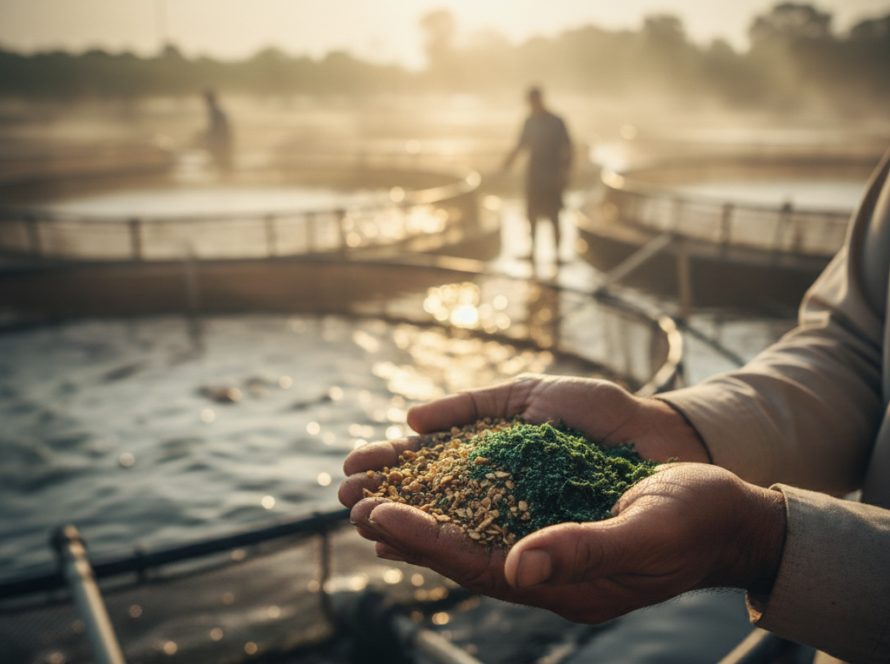
Have you ever wondered if the coating of your fertilizer will eventually get broken down into the earth and do its intended job?
(Spoiler alert: it won’t).
That means the coating of your fertilizer isn’t going to break down and, instead, will break apart into microscopic pieces of plastic that will remain in the soil for years to come, will cause contamination of crops and create long-lasting environmental issues that are just starting to become known.
An article in the Journal of Hazardous Materials confirms that plastic particles are released from plastic coated controlled release fertilizers as the microcapsules are breaking down in the soil. Another article in ScienceDirect shows that the plastic-coated fertilizer will change the pH of the soil, decrease the available carbon for microbes in the soil and increase the toxicity of cadmium that is present in the soil while at the same time reduce the diversity of the fungal population that exists in the soil. The coating on these fertilizers does not decompose, rather it becomes part of the soil profile as stated by the product manufacturers. This sounds like an environmental disaster just waiting to happen. This is the reality of a synthetic carrier and biopolymers provide a much better, cleaner alternative.
The Microplastic Contamination Problem
Here’s what the conventional synthetic carriers actually leave behind, research by the University of Missouri highlights severe concerns regarding long-term microplastic pollution to human and animal health from non-biodegradable polymer coatings. Research published in Frontiers verifies that polymer coatings break down over time, leading to microplastic pollution in soils and water bodies, while organic fertilizers in Bangladesh contain 971.31 to 1,387.37 microplastic items per cubic meter as published in Frontiers in Environmental Science.
The magnitude of the problem is simply mind-boggling. Large-scale manufacturers such as Nutrien produce over 400,000 tonnes per year of polymer-coated fertilizer as reported by CIEL, with the global market projected to reach 3.3 billion dollars by 2026. That’s hundreds of thousands of tons of non-biodegradable plastic waste entering agricultural soils every year with hardly any regulation or monitoring in place in the USA and China, among other large markets as reported by Wageningen University.
The Biopolymer Performance Advantage
Biopolymer-based carriers (such as chitosan, starch, and cellulose) provide similar to or greater amounts of nutrients and are biodegradable. The degradation of biochar-chitosan slow-release fertilizers over a 30-day period has increased soil moisture retention capacity by 40.61% to 47.80% and water retention by 32.55% to 35.52%, according to research reported in Scientific Reports.
Research published in PMC has demonstrated that biopolymer-based systems provide significant advantages because they are all biodegradable, biocompatible, can be sourced from agricultural waste at no or little cost, and serve as soil conditioners as opposed to contaminants. In an earlier report from q.acs.org, research from ACS Omega determined that cellulosic biopolymer nanocarriers improve nutrient conversion ratios as they degrade at controlled rates by soil microorganisms as a function of time, producing the desired nutrient release profile.
Coating new fertilizers with biodegradable biopolymers create the basis for a sustainable and efficient delivery system while minimizing environmental impacts thus establishing the principles of a circular economy. Studies by various researchers have demonstrated that alginate coatings can enhance the efficiency (up to 20%) of nutrient delivery by acting as a semi-permeable barrier to nutrient diffusion through the coatings.
The Cost Performance Reality
However, the fact is that biopolymers are still not fully developed. It is recognized that high material cost is still a major hindrance to their widespread use, with conventional synthetic polymers being cheaper in many instances. Other hindrances identified in research papers include the optimization of biopolymer mixtures, reducing costs of production, scalability, and synchronized release with plant uptake.
However, the trend is clear. With over 795 articles published since 2000 on bio-polymer-based fertilizers in Wiley publications, the increasing interest in research on this topic is evident. The use of natural polymers such as chitosan and alginate in the development of smart coatings for pH-sensitive release demonstrates that biopolymers can be as effective as synthetic polymers without the use of toxic materials or microplastics.
Why Biopolymers Are Successful Long Term?
Synthetic carriers may solve one issue but will create another that lasts for many generations; Biopolymers reduce carbon footprints and serve as soil conditioners, do not contribute to microplastics pollution, and help to protect rather than destroy the soil ecosystems.