Do you know what India’s fastest-growing economic sector is?
It is not IT services or pharmaceutical exports (though both areas continue strong).
The BioEconomy has grown exponentially from $10 billion (2014) to a projected $165.7 billion (2024) according to the India BioEconomy Report 2025 (Department of Biotechnology). Its value increased 16 times during the last 10 years and it will reach $300 billion by 2030 and $1 trillion by 2047 based on research conducted by Business Standard. Currently, India’s BioEconomy comprises over 4.2% of India’s GDP comparable to both the United States and China thus offering unprecedented opportunities for developing sustainable material innovations.
Sounds like an economic revolution, right?
Well, this is India’s bio-economy awakening, and the opportunities are massive indeed.
The Material Innovation Explosion:
The biopolymer market segment alone has reached a market size of 652.2 million dollars in 2024 and will reach 2,090.6 million dollars by 2033 with a growth rate of 12.74 percent CAGR by IMARC Group. However, other sources like Consulting @ BioBiz show that this market will actually grow even faster, reaching 447.25 million dollars in 2023 and growing to 1,809.51 million dollars by 2030 with a growth rate of 22.1 percent
The infrastructure is also expanding at a rapid pace. As per the announcements made by the government, which have been covered by IMARC Group, on October 13, 2024, Union Minister Dr. Jitendra Singh inaugurated India’s first-ever demonstration facility for biopolymers at Jejuri, Pune, for the production of polylactic acid. Subsequently, on February 24, 2025, Chief Minister Yogi Adityanath inaugurated India’s first-ever biopolymer manufacturing unit at Kumbhi, Uttar Pradesh, worth Rs. 2,880 crores, which uses tapioca, corn, and sugar as renewable resources.
According to the research from Invest India, in 2024 alone, India recorded over 1,500 new biotech startups. This brought the total to 10,075 bio startups supported by 95+ bio-incubators established by DBT-BIRAC. The industrial bioeconomy contributed 78.2 dollars in 2024, which is 47.2 percent of the total bioeconomy value. This includes bioethanol, bio-based chemicals, enzymes, and their applications in food processing, textiles, and detergents.
The Agricultural Advantage:
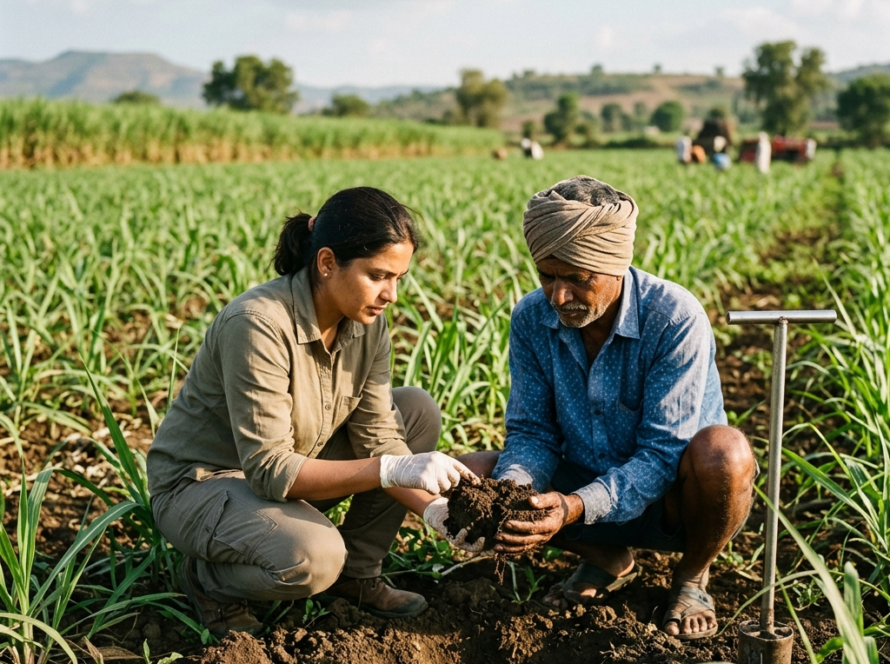
The agricultural sector of India is huge, giving large volumes of feedstock available for conversion. The latest estimates from IMARC Group predict that by 2024-2025, sugarcane production in India will be approximately 5.33 million tonnes, creating a large amount of feedstock available for the synthesis of bio-based polymers.
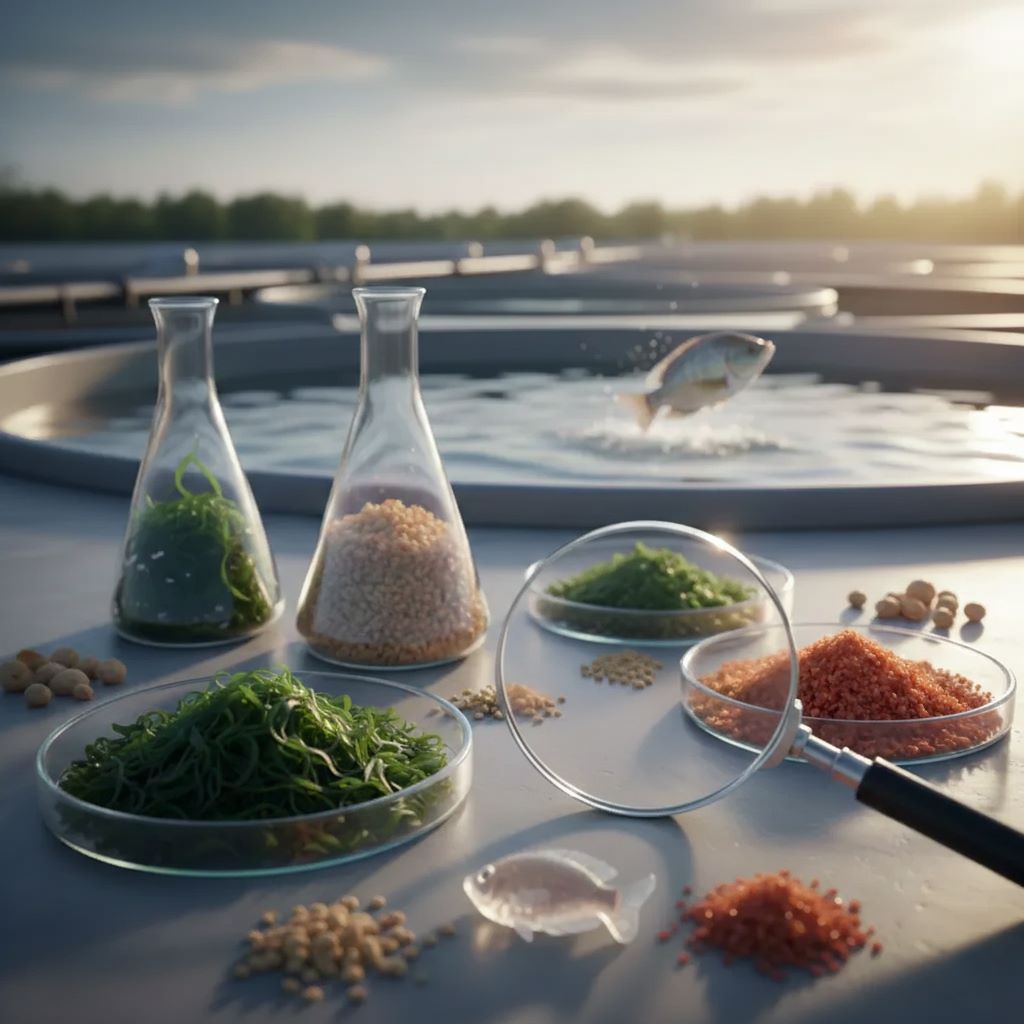
In addition to sugarcane, many companies are also developing other feedstocks for the production of bio-based polymers from crop residues containing cellulose, biopolymers from seaweed, and chitosan from crustacean shells.
According to research by the Coherent Market Insights, the global market for sustainable biopolymers is projected to grow from 388.9 million dollars in 2025 to 844.2 million dollars in 2032. This growth is being driven by the increase in regulations banning single use plastics, causing manufacturers to make the switch to biodegradable or compostable products. Global Market Insights estimates that the bio-based construction materials market alone will grow from 11.2 billion dollars by 2024 to 29.3 billion dollars by 2034.
Why India’s Positioned to Lead?
India provides an enormous supply of farm-based feedstocks, an increasingly favorable manufacturing environment, a supportive government policy regime such as the BioE3 Policy, which was adopted in 2024, and an ever-explosively dynamic entrepreneurial environment in the states of Karnataka, Telangana, Tamil Nadu, Maharashtra, and Gujarat, as per Insights on India.
Nevertheless, there are challenges that need to be addressed. According to research done by Rural21, challenges include regulatory barriers, R&D finance, and infrastructure gaps in scaling up bio-tech innovations. From an analysis done by Business Standard, five states account for two-thirds of the bio-economy’s output, while the eastern and northeastern states lag at less than 6 percent in terms of participation.