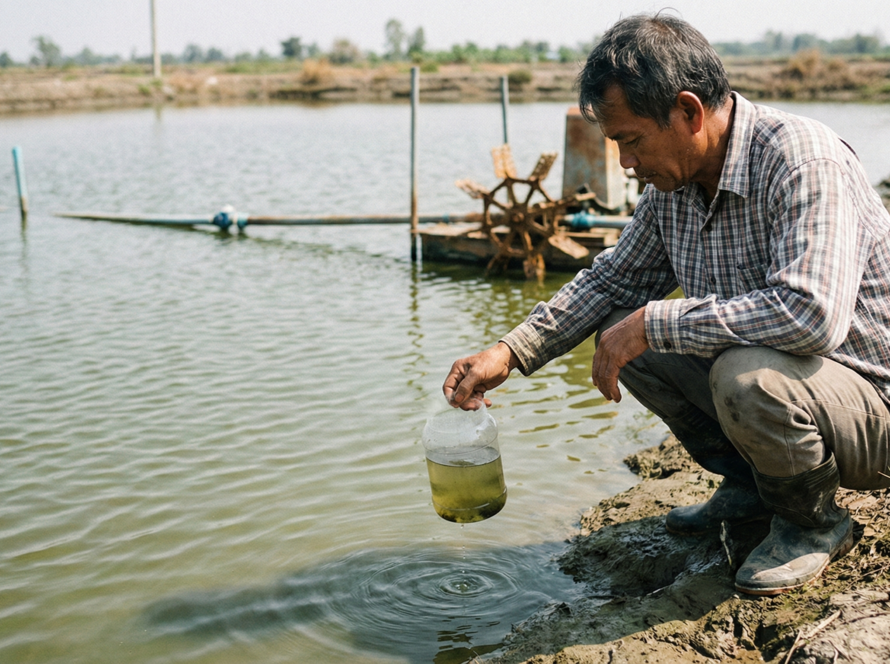
People often refer to nitrate pollution as “the invisible problem,” and with good reason all because you cannot see, taste, or smell nitrates in water. Nitrates are also a problem with respect to the planet and human health entirely due to their excessive use in nitrogen production. Their use has increased dramatically since the early 1990s when we began using large amounts of nitrogen to support intensive agricultural production, and as a result, the delicate balance of natural ecosystems has been greatly disturbed.
The Root Causes: Why is Nitrate Increasing?
Although nitrates occur naturally but the levels of nitrates entering groundwater and surface waters due to human activity are dangerously high. A recent study published in The Lancet Planetary Health (January 2025) identified three primary sources of increased nitrate levels in water systems:
- Agricultural runoff is caused by heavy application of nitrogen fertilizer which over-fertilizes the land with too much nitrogen and it all runs-off into groundwater through rain water.
- Waste from animals is another major source of nitrates in water. Concentrated animal feeding operations create large amounts of manure with high levels of nitrate that then increases the level of nitrates in water.
- Urban sewage systems that are not maintained or properly designed, and domestic septic systems in developing countries are both serious contributors to the problem of elevated nitrates in water systems.
The Consequences: From “Blue Baby” to Dead Zones:
The financial impact of nitrates on the environment and human health can be exceedingly high:
Human health: Ingestion of high amounts of the nitrates that have entered the supply of drinking water can lead to an increase in cases of methemoglobinemia, or blue baby syndrome, reducing blood’s ability to carry and transport oxygen. Recent findings of studies published in Environmental Health Perspectives (2024) also show that chronic exposure to nitrates is associated with an increased risk of colon cancer.
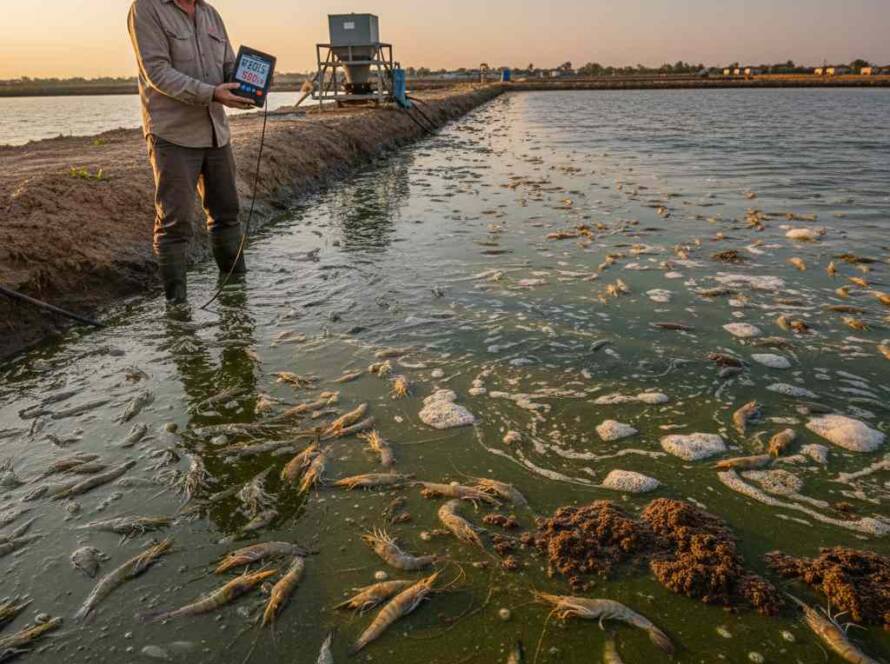
Eutrophication: Because of their “superfood” traits, the nitrates in oceans and lakes create very dense algal conditions that deplete oxygen in the water, thus creating “dead zones” where aquatic organisms cannot survive.
Soil acidification: Too much nitrogen is converted into nitrate that elutes needed minerals (calcium and magnesium) in the uppermost soil layer; this results in less productive soils.
Biological Solutions: Nature’s Filtration System
Using chemicals, we cannot just “filter” out the nitrates in our water supply. So, scientists are researching the use of Bioremediation, which means using living things to clean the environment.
Denitrifying bioreactors are basically trenches filled with wood chips. As water passes through, bacteria create an environment on the wood chips that allows for nitrates to be turned into harmless nitrogen gas through denitrifying processes.
Constructed wetlands are referred to as the “kidneys of nature.” To clean the water before entering larger water bodies, constructed wetlands use aquatic plants and microorganisms to use nitrates from the water supply.
Riparian buffers are an example of using native vegetation to create a natural barrier or “shield.” This type of vegetation absorbs and collects runoff from the land surrounding riverbanks. According to a 2025 report by the World Resources Institute (WRI), riparian buffers reduce the amount of nitrate that reaches the streams by as much as 70%.
The Path Forward:
To combat nitrate pollution, we need to change from “reactive clean-up” methods to “proactive management.” Proactive management includes precision farming to determine how many pounds of fertilizer each plant needs and protecting our natural wetlands.