In your opinion, what is the most underutilized resource in India?
It is not the coal deposits or the solar resources (although these are important too).
It is actually the 160,000 metric tons of municipal solid waste produced every day in urban India alone, as estimated by the World Biogas Association. Then there are agricultural wastes of 500 million tons every year, as estimated by the Indian Biogas Association, horticultural wastes of 65 to 72 million tons every year, and industrial effluents chock-full of enormous amounts of organic matter.
But what if garbage isn’t the end of a value chain, but the beginning of one?
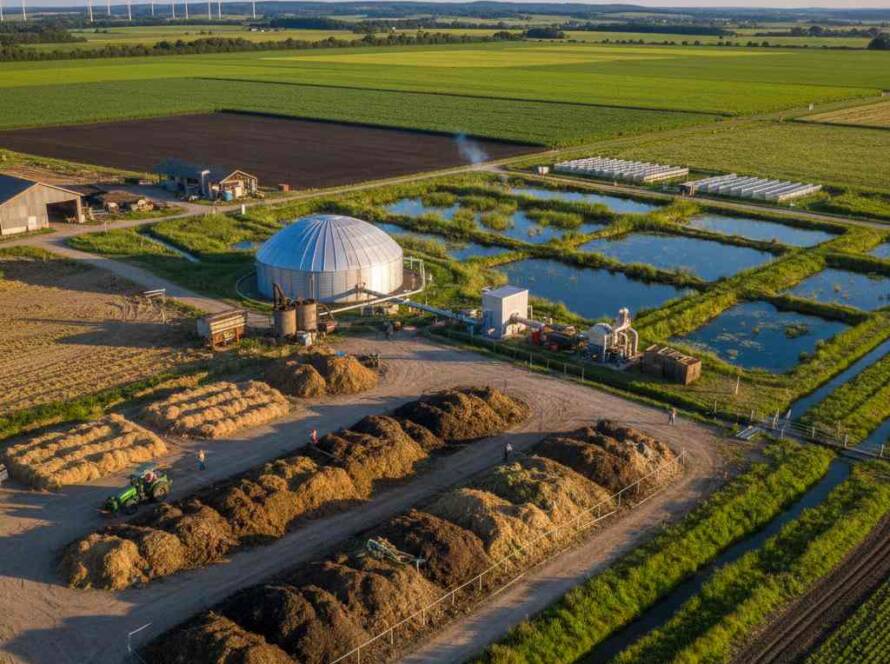
This is precisely the concept on which waste-to-value biotechnology is based. Organic waste is not just worthless material in fact it is carbon, nitrogen, energy, and chemistry that is waiting to be harnessed. By microbial fermentation, anaerobic digestion, enzymatic reactions, and bioprocessing, low-value waste materials can be converted into biogas, biofertilizers, organic acids, biopolymers, animal feedstocks, and platform chemicals.
When viewed from this perspective, the waste problem in India appears less like an Achilles’ heel and more like a strong suit. Very few nations have the kind of organic waste being produced, and even fewer have the biodiversity, brainpower, and momentum to turn it into something of value. Each ton of untreated waste is a lost opportunity.
Municipal waste can fuel cities. Crop residues can substitute for imported chemical inputs. Industrial effluents can be feedstocks, not trouble spots. Treasure, when hidden, is typically buried. But India’s treasure is overflowing. And as waste-to-value biotechnology continues to develop, what was once clogging landfills and choking air quality could very well become one of the most robust legs of a circular, bio-based economy.
The opportunity is real.
The biogas industry in India alone was a 1.77 billion dollar market in 2024 and is set to reach 3.49 billion dollars by 2032 with a CAGR of 10.2 percent, as per Fortune Business Insights. The overall waste management industry was a 14.86 billion dollar market in 2024 and is set to reach 29.71 billion dollars by 2035 with a CAGR of 6.5 percent, as per Market Research Future.
But here’s the genuinely revolutionary part: India has the potential to produce 62 million metric tons of bio-CNG annually from available waste streams, according to government estimates cited by Fortune Business Insights. Based on cattle dung availability alone, India can generate 18,240 million cubic meters of biogas annually, while poultry waste adds another 2,173 million cubic meters. Research published in ScienceDirect confirms that agricultural waste to biogas circular economy could meet growing needs for waste management, energy production, and climate change mitigation simultaneously.
Due to the rapid growth of infrastructure in India, the Government of India has created a GOBARdhan website outlining the current state of biogas facilities. It is estimated there have been 872 active biogas facilities (with a minimum output of 5 cubic meters) and 350 additional biogas facilities are in the process of being constructed; additionally, there are over 100 large-scale compressed biogas facilities currently in operation and an estimated 600 more are planned (sourced from World Biogas Association).
The Biofertilizer Co-Product Goldmine:
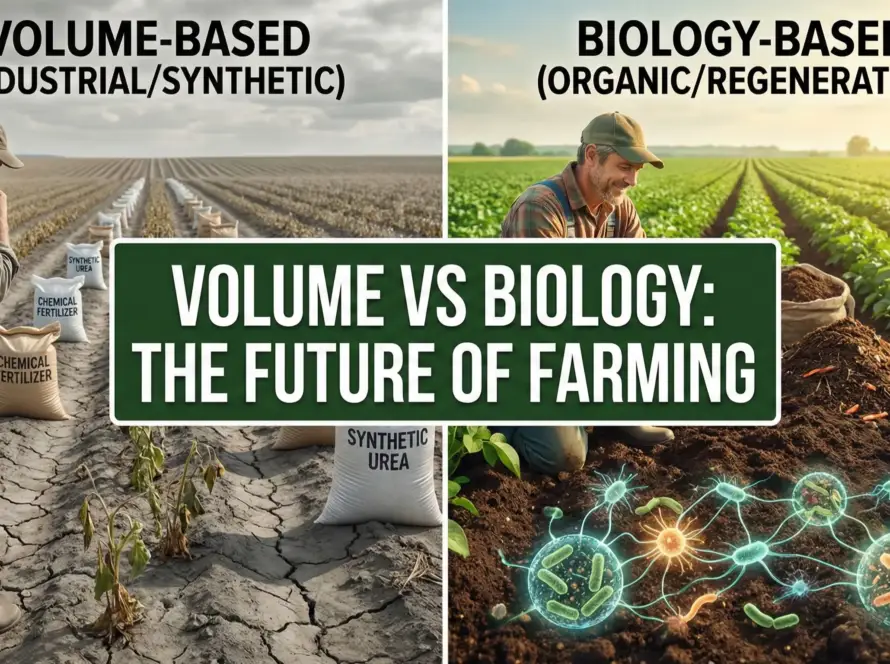
Now comes the market segment that everyone tends to ignore: biomanure, or the organic fertilizer by-product of biogas production. As per research published on Mongabay India, bio-manure is high in carbon content and is a great substitute for chemical fertilizers, with experts from the Center for Study of Science, Technology and Policy agreeing that it is much better at enriching the soil compared to chemical fertilizers that tend to leach into the soil, making it less fertile.
Technical evaluation by the Public-Private Infrastructure Advisory Facility assessed market potential of biofertilizer as an organic fertilizer in India, terming it a vital source of revenue. But according to Mongabay India, the absence of market support for bio-manure is presently hampering the expansion of compressed biogas plants, as manufacturers have few buyers despite its better soil enrichment properties.
At present, there are eleven biofertilizers that are allowed under the Fertiliser Control Order, as per World Biogas Association, and enabling policies for the use of biofertilizers are being developed to facilitate the adoption of biofertilizers and increase sales.
Why India’s Potential Is Huge?
Because the generation of waste is increasing every year, and the cost of biotechnology is reducing every year. The generation of waste in urban areas is estimated to touch 165 million tonnes by 2030, as per Mordor Intelligence, due to changing consumption patterns and rapid economic growth.
Government programs such as the National Bioenergy Program with an outlay of Rs. 600 crores and the GOBARdhan scheme with plans for 500 new waste-to-wealth plants are positive. The World Bank is developing a Risk Sharing Facility for the biogas sector.