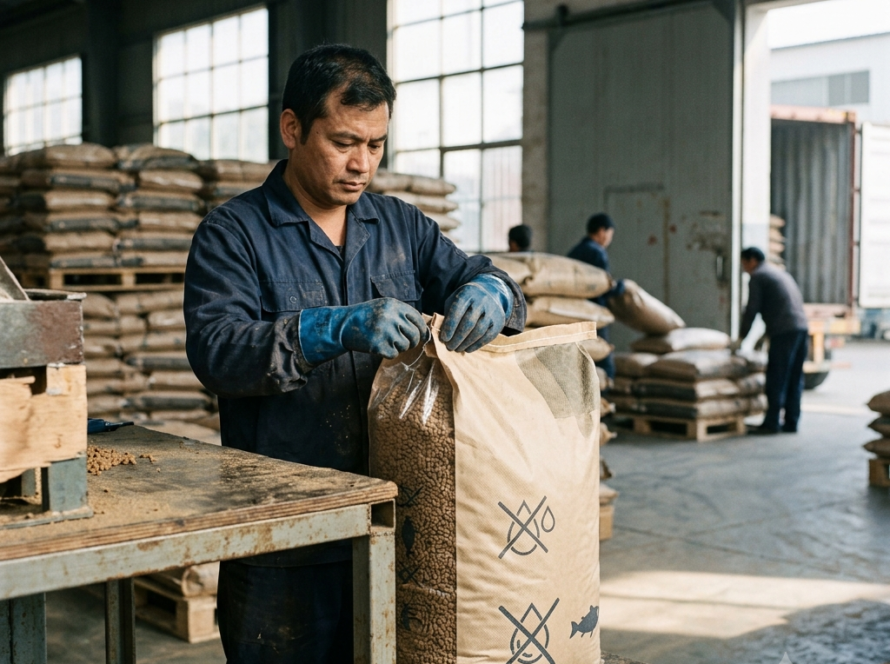
No other food category runs on a clock quite like seafood. Sustainable seafood packaging is not a luxury for fish farms and seafood processors it is a necessity. The moment seafood leaves the water, enzymes and bacteria begin breaking it down. A tomato left on a counter has days of grace, but a fish left at ambient heat has hours. A fresh fish held at 16°C has about one day before it goes bad. Bring it down to 0°C, and it can hold for ten. The process by which it is caught, chilled, and shipped is the difference between a market sale and a write-off.
“Once you’ve embedded loss of quality, you can’t recapture it.” ~ Cold-Chain Research Team, Global Seafood Alliance
Time Before Quality Loss
-
16°C: Ambient
-
1 day before quality drops, held at 16°C
-
-
5°C: Chilled
-
3 days before quality drops, held at 5°C
-
-
0°C: Iced
-
10 days before quality drops, held at 0°C
-
Two Crises, One Supply Chain: Plastic Waste and Seafood Spoilage
Seafood packaging faces a unique challenge that goes beyond simply protecting food. Unlike many other food products, seafood is highly perishable and requires efficient packaging and cold-chain systems to maintain freshness and prevent spoilage.
However, the industry relies heavily on plastic-based packaging and fishing gear, contributing significantly to marine pollution. The Ocean Cleanup organization reports that 75–86% of the plastic found in the Great Pacific Garbage Patch originates from offshore fishing activities, while the fishing industry as a whole accounts for roughly 10% of global plastic waste. At the same time, inadequate cold-chain infrastructure from a lack of refrigerated trucks to insufficient ice supply at landing sites results in the loss of approximately 20–25% of India’s seafood harvest before it reaches consumers.
These challenges highlight the urgent need for sustainable seafood packaging solutions that extend shelf life, reduce food losses, and minimize environmental impact.
Why Plastic Stopped Working as a Fish Packaging Solution
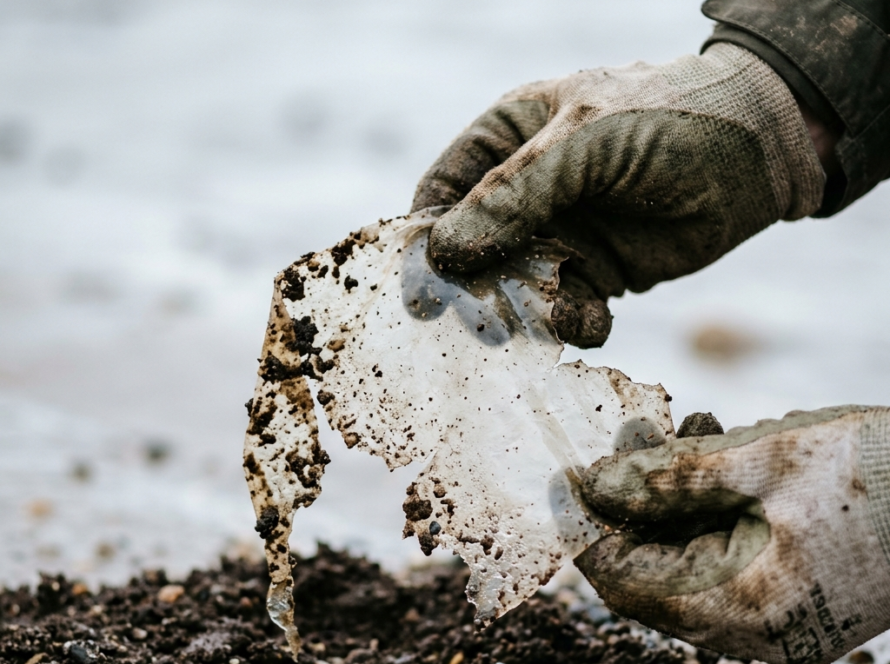
For many years, the most straightforward solution involved using a thicker polyethylene liner and more ice. While this still works in terms of temperature as insulated containers and cool packs can effectively maintain a range of 0–5°C it does not resolve what happens to the packaging when it leaves the supply chain. Netting, ropes, and liners that are lost or discarded do not degrade; they break down into microplastics that persist for decades.
Regulators have started treating this as a packaging-design problem, not just a waste-management one. The EU’s Single-Use Plastics Directive and similar rules across Asia-Pacific are pushing processors toward recyclable, fibre-based, or biodegradable fish packaging formats without giving up the barrier performance that keeps seafood safe in transit.
So the question is not whether seafood needs better packaging. It is whether that packaging can do its job and then leave the ocean alone.
PHA Biopolymer Packaging: A Marine Biodegradable Alternative
Imagine a barrier that does its job and then disappears safely. That is precisely the gap PHA biopolymer packaging was designed to close.
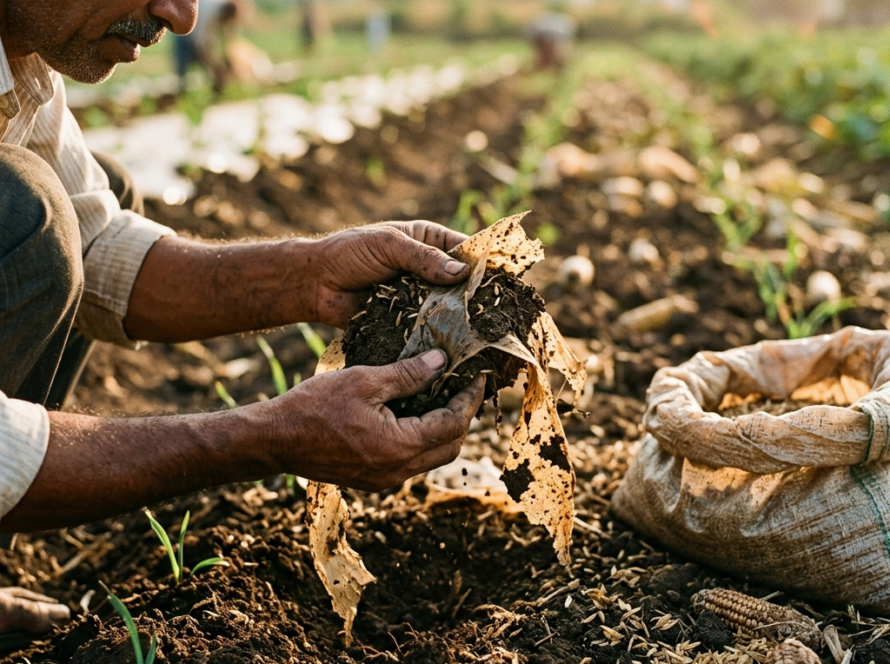
PHA is produced by natural, non-GMO microorganisms and offers strong moisture and gas barrier performance, so it holds up where sustainable seafood packaging actually gets tested: cold storage, transit, and handling. Unlike conventional plastic liners that fragment in seawater and persist for decades, PHA is a marine biodegradable packaging material that breaks down in soil, marine, and home-compost environments. It protects the catch without adding another generation of ocean plastic.
The TerraPHA Approach to Eco-Friendly Fish Packaging
TerraPHA Biotech, India’s first commercial biopolymer company, develops non-GMO PHA for exactly this kind of demanding, perishable-goods application. For fish farms and seafood processors balancing shelf life against environmental exposure, our eco-friendly fish packaging works as hard as the crew that caught the fish—and then bows out cleanly.
If you are looking for an alternative to plastic in the fishing industry, TerraPHA’s sustainable seafood packaging solutions are engineered for demanding cold-chain applications.
Frequently Asked Questions About Sustainable Seafood Packaging
Why does seafood need different packaging than other foods?
Seafood deteriorates much faster than any other food because the breakdown process by enzymes and bacteria begins immediately upon harvest. Fresh seafood has a day to spoil at 16°C, whereas it can last up to ten days if refrigerated close to 0°C. The packaging must keep the seafood temperature-controlled and reduce oxygen exposure instantly after being caught or harvested.
How much plastic does the seafood and fishing industry actually use?
More than most people expect. The Ocean Cleanup organization reports that 75–86% of the plastic pollution in the Great Pacific Garbage Patch originated from offshore fisheries, while the total contribution of the fishing industry to the world’s plastic pollution has been estimated at roughly 10%.
What makes a packaging material genuinely sustainable for seafood?
Three things need to cohere: a genuine moisture and oxygen barrier so the product does not go bad before it reaches the consumer, durability under freezing conditions and transport, and a genuine end-of-life plan. A material that simply disintegrates into microplastics when exposed to seawater has merely shifted the issue elsewhere. Genuine biodegradable fish packaging must biodegrade completely without leaving toxic residue.