Picture a strawberry wrapped inside a clear film wrapper. You eat the strawberry and then you toss the wrapper into your garden soil. Six months later, it’s gone. Not into landfill. Not into the ocean. Just gone back into the earth, quietly and completely.
Sounds like a fantasy?
That is PHA.
The Issue With Plastics
The Earth produces more than 400 million tons of plastic annually. Out of this figure, about 36% goes towards making packaging products, while most of it is used in disposable food wrap. According to a report in Nature Sustainability, only about 9% of plastic produced globally has been recycled, with most of it being dumped in landfills, rivers, or oceans where they remain for decades.
All stakeholders, including consumers, regulators, and now food producers are beginning to recognise this fact. And as a result, the food industry will soon be required to act quickly.
The EU’s Single-Use Plastics Directive prohibits conventional plastic packaging among all European Union member nations. India’s implemented a Phase II plastic ban which focusses on banning multi-layer food containers. On a global scale, producers are feeling increasing pressure to comply with these new regulations.
The only question now is not if the world will move away from using conventional plastics in food packaging, but what they will use instead.
PHA “The Natural Polymer”
Polyhydroxyalkanoates (PHA) are natural polymers that are produced by various microorganisms when they have enough nutrients and need to store extra energy, essentially similar to how our bodies store fat. Scientists have figured out how to take this natural process and utilize it for the production of plastic-like products from renewable carbon feedstocks. PHA uses the same chemical technology that plastic does, performs in a similar fashion, and fully decomposes into mineral nutrients when disposed of in soil, water or marine environments within a few months without requiring composting facilities or specialized processes.
In a significant study published in the journal Bioresource Technology in 2022, PHAs were shown to achieve complete mineralization in marine sediments within 1.5 years, whereas conventional plastics, and most PLA-based bioplastics cannot claim this. When applied to food packaging, PHAs possess every property necessary for effective packaging i.e. they have adequate moisture and oxygen barrier properties, are safe to contact food products, can be produced from existing extrusion or blown film machinery, and do not leave behind any toxic waste.
The Global Market
The global PHA market was valued at just $98 million in 2021. This is expected to rise exponentially to more than $1.9 billion by the year 2030, an increase of nearly 18.5% compounded yearly, making it among the quickest growing types of material in eco-friendly packaging (Grand View Research, 2024).
The chart above shows that the material of PHA is moving from a very niche biotechnology application to a mainstream industrial product.
Food & beverage packaging is leading the way. The majority of new approaches in utilizing PHAs for creating case pack & wrap, tray, or film-based packaging are being tested by the food industry, with applications ranging from fresh produce & grocery distribution to gourmet chocolates.
MarketsandMarkets identified food and beverage as the dominant end-use segment for biopolymers, accounting for over 40% of total demand.
Why PHA Over Other “Green” Alternatives
Not every type of bioplastic will act the same way when it comes to biodegradation. For instance, PLA (polylactic acid) requires industrial composting at high temperatures to be broken down, so throwing it into a garden or into the trash will do absolutely nothing. PLA can last for decades in an environment.
PHA, on the other hand, can degrades aerobically and anaerobically. In soil. In seawater. Even in home compost. This distinction matters enormously for food packaging, where contaminated wrappers often can’t be separated or industrially composted at scale.
Approximate Decomposition Time (Years)
|
Material |
Decomposition Time (Years) |
|
Conventional Plastic |
~500 – 700 |
|
PLA Bioplastic |
~20 – 50 |
|
PHA Biopolymer |
~0.1 – 5 |
Source: Journal of Cleaner Production, 2023 | Decomposition time in natural soil/water conditions
How TerraPHA Is Building This Future
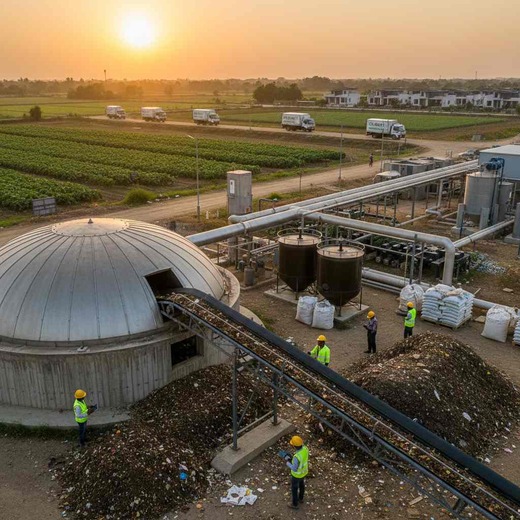
As India’s first non-GMO, industrial-scale PHA biopolymer company, TerraPHA is producing high-performance PHA using naturally occurring microbial systems and a wide range of renewable carbon feedstocks including industrial waste streams, which aligns directly with circular economy principles.
What makes TerraPHA’s approach different?
- No GMO microorganisms
- Eco-friendly low-waste manufacturing process
- PHA that biodegrades in real-world conditions and not just in laboratories.
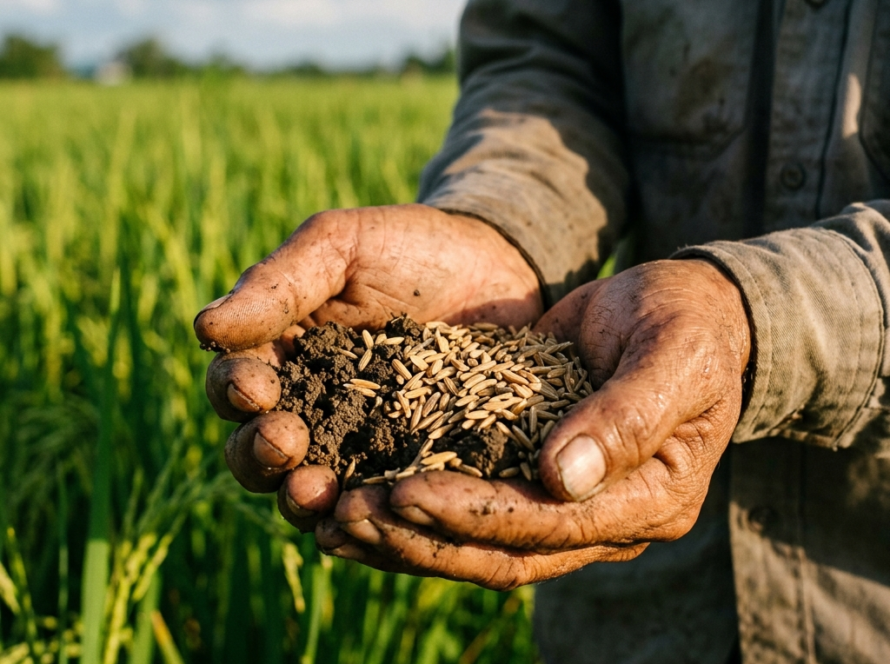
The product portfolio extends beyond raw biopolymer. TerraBIO-BS70 and allied offerings are engineered to work with agricultural ecosystems, creating a closed loop where bio-based packaging can return nutrients to the very soil that grew the food inside it.
TerraPHA’s PHA is designed for scale, for affordability, and for the conditions real packaging faces in the real world.
Frequently Asked Questions
- Q) Is PHA packaging safe for direct food contact?
Yes. PHA bioplastics are safe for use in contact with food and have already been assessed under various regulatory standards. Unlike many synthetic polymers that use additives such as plasticizers and other toxic chemicals, PHA contains none of these dangerous components.
- Q) Can PHA packaging be processed using existing plastic manufacturing equipment?
Normally, yes. Films made of PHA can be manufactured using existing extrusion and blow moulding equipment, thus lowering the investment needed for production.
- Q) How long does PHA actually take to break down?
In an average environment such as soil, freshwater, and seawater, the degradation process of PHA takes just about 100 to 180 days by the natural microbial action taking place in the environment. This is in contrast to the usual plastics, which could take anything between 400 and 1,000 years to decompose, leaving behind hazardous microplastics.