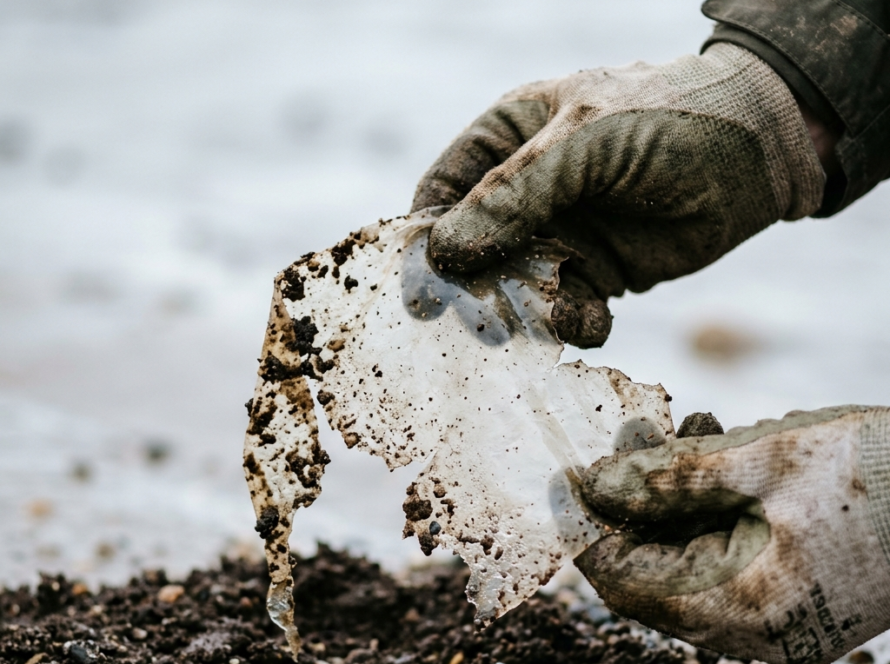
India brought in new plastic packaging rules on 31 March 2026, and they took effect the same day (MoEFCC, 2026). These rules increase the responsibility of companies for the plastic packaging they use. Companies must now include a minimum percentage of recycled plastic in their packaging, and external auditors will verify whether the reported numbers are correct.
One important point that many food brands overlook is who is responsible for meeting these requirements. The responsibility lies with the brand owner whose name appears on the packaging. The packaging manufacturer or the supplier does not carry this responsibility but the brand does.
Small businesses are also required to follow these rules. There is no minimum business size or exemption limit below which companies are excluded from these requirements.
Categories In Plastic Packaging
Plastic packaging is divided into three categories: rigid plastic, flexible plastic film, and multi-layered plastic. Most feed and supplement packaging falls into the flexible plastic film or multi-layered plastic categories. For example, a laminated pouch used for a premix or a woven sack with a plastic liner used for a mineral mixture.
Among these, multi-layered plastic is the most challenging. It is made of different layers of materials bonded together, which helps protect the product from moisture and increases its shelf life. However, these bonded layers make the packaging difficult to recycle through normal recycling methods.
As a result, most multi-layered plastic is used for energy recovery by burning or is sent to cement kilns. Under the new plastic packaging rules, these methods are considered disposal rather than recycling (MoEFCC, 2026). Because of this, multi-layered packaging is the most costly type of packaging for companies to manage under the new regulations.
Way Out Of The Recycled-Plastic Rule
There is an exception to the requirement of using recycled plastic in packaging. This exemption applies only if a government regulatory authority has specifically prohibited the use of recycled plastic for a particular type of product. The authorities mentioned in the rules are FSSAI for food products, CDSCO for medicines, and the Central Insecticide Board for pesticides (Indian Chemical News, 2026).
Cattle feed supplements are not clearly covered under any of these three authorities. A company may still be able to claim an exemption, but it must provide a written justification supported by the relevant law or regulation. Simply assuming that the exemption applies because the product is consumed by animals is not sufficient and may not stand up during an audit.
Part That Is Often Overlooked
This issue is not just about following government regulations. It also has a direct impact on animal health and food safety.
A study of 810 cattle, sheep, and goats examined after slaughter found that 52.1% of the animals had indigestible waste in their stomachs. Among these materials, plastic was the most common, accounting for 79.2% of the cases (Negash et al., 2015).
Plastic does not remain harmless inside the animal. Over time, it can release harmful chemicals in the rumen (the first stomach compartment of ruminants). These chemicals may then enter the animal’s body and eventually be detected in milk and meat, creating potential risks for both animal and human health (Priyanka & Dey, 2018).
| PROBLEM ONE: The paperwork | PROBLEM TWO: The animal |
| The duty follows your name, not your supplier’s. | Empty sacks end up where cattle graze. |
| Laminated packs are the costliest kind. | Plastic is the most common material found in their stomachs. |
| The recycled-content rule now applies. | Chemicals from plastic can reach milk and meat. |
| Auditors now check the paperwork. | Your own customer’s herd pays the price for it. |
When these facts are considered together, they highlight an important concern. Feed supplements are sold to improve the health of cattle, but the plastic packaging used to deliver these products can become a source of harm if it is not disposed of properly. Once discarded on farms, plastic bags and sacks may be eaten by animals, leading to serious health problems.
While companies can pay fines for failing to meet packaging regulations, the greater responsibility is preventing packaging waste from becoming a risk to livestock and the environment.
Four Things to Check This Quarter
- Identify the type of packaging used: Check whether each package is classified as rigid plastic, flexible plastic film, or multi-layered plastic. Different parts of the same package, such as the pouch, sack, and inner liner, may belong to different categories.
- Confirm whether an exemption applies: If you believe recycled plastic cannot be used in your packaging, make sure you have a valid regulatory provision that clearly supports this claim.
- Verify supplier documentation: Ensure that any claims made by your packaging supplier, such as recycled plastic content or compliance certificates, are properly documented and can be accepted during an audit.
- Review disposal practices: Find out what happens to empty bags and sacks after farmers use them. Proper collection and disposal are important to prevent plastic waste from harming animals or the environment.
How TerraPHA helps
TerraPHA Biotech, World’s first commercial biopolymer company, produces PHA (polyhydroxyalkanoate), a type of bioplastic made using naturally occurring, non-GMO microorganisms. Unlike conventional plastics, PHA can be broken down by other microorganisms, meaning it decomposes into natural components instead of breaking into smaller plastic fragments (microplastics).
From a regulatory perspective, switching to materials like PHA could help companies move away from some of the challenges associated with difficult-to-recycle plastic packaging, especially multi-layer plastics. It aligns with the growing focus on more sustainable and biodegradable packaging solutions.
From a farm safety perspective, biodegradable packaging can also reduce the risk of plastic waste remaining in the environment and being accidentally consumed by livestock. A packaging material that can naturally break down is less likely to become a long-term hazard.
Therefore, choosing the right packaging material can help address two major concerns at once i.e. compliance with plastic waste regulations and reducing risks to animal health and the environment.
Frequently Asked Questions
Do these rules really apply to a small feed brand?
Yes. They cover anyone putting plastic packaging into the Indian market under their own name, and there is no turnover cut-off. If it is your label on the sack, it is your responsibility.
Can our packaging supplier take this on for us?
You can agree between you who pays for what. You cannot hand over the legal duty, because it follows the name on the pack. Keep your supplier’s paperwork, but file your own returns.
Is feed packaging exempt from the recycled-plastic rule?
Not automatically. The exemption only covers products where a government body has ruled recycled plastic out. The ones named are food, medicines and pesticides (Indian Chemical News, 2026). Feed supplements are not an obvious fit, so check where you stand and be ready to name the rule.
Why should a feed company care where its empty bags end up?
Because they end up inside the animals you sell to. Plastic is the most common thing found in ruminant stomachs (Negash et al., 2015), and it leaks chemicals into milk and meat (Priyanka & Dey, 2018). That is awkward to explain when you sell animal health.
References
Indian Chemical News. (2026, April 2). India exempts pesticide packaging from mandatory recycled content targets in 2026 Plastic Rules. https://www.indianchemicalnews.com/regulatory/india-exempts-pesticide-packaging-from-mandatory-recycled-content-targets-in-2026-plastic-rules-29911
Ministry of Environment, Forest and Climate Change. (2026). Plastic Waste Management (Amendment) Rules, 2026 (G.S.R. 237(E), 31 March 2026). The Gazette of India, Extraordinary, Part II, Section 3, Sub-section (i).
Negash, S., Sibhat, B., & Sheferaw, D. (2015). A postmortem study on indigestible foreign bodies in the rumen and reticulum of ruminants, eastern Ethiopia. Onderstepoort Journal of Veterinary Research, 82(1), Article 881. https://doi.org/10.4102/ojvr.v82i1.881
Priyanka, M., & Dey, S. (2018). Ruminal impaction due to plastic materials: An increasing threat to ruminants and its impact on human health in developing countries. Veterinary World, 11(9), 1307–1315. https://doi.org/10.14202/vetworld.2018.1307-1315